The real cost of Пошив одежды: hidden expenses revealed
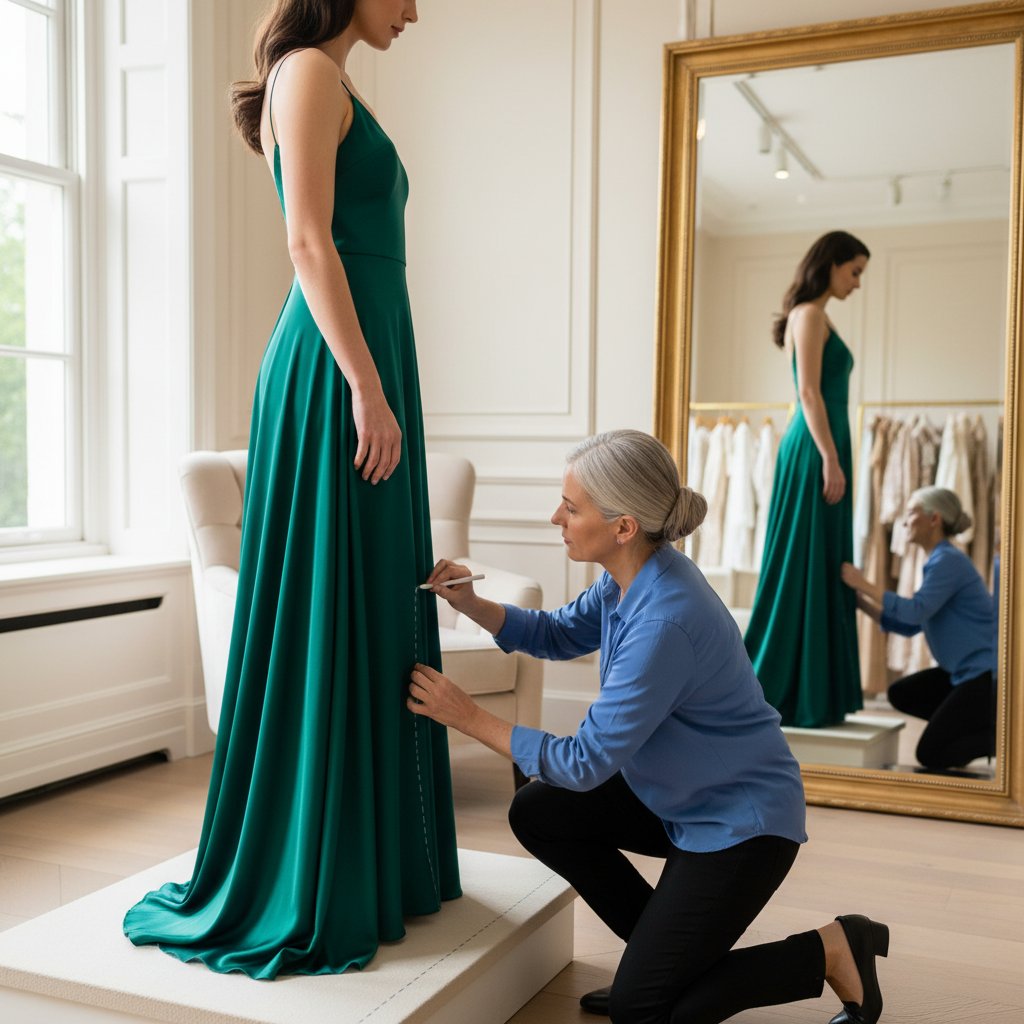
The $47 Dress That Actually Cost $89: My Wake-Up Call
Last spring, I commissioned a custom dress from a talented seamstress in my neighborhood. We agreed on $47 for materials and labor. Simple cotton sundress, nothing fancy. When I picked it up three weeks later, I handed over the cash and walked out feeling pretty smug about my bargain.
Then I actually did the math.
Two consultation visits (gas money, parking). Three rounds of fabric shopping because the first two stores didn't have the right shade of blue. A $15 rush fee when I suddenly needed it a week earlier. That "small adjustment" after the first fitting. By the time I wore that dress, I'd spent $89 and roughly six hours of my own time.
Welcome to the real world of custom garment production, where the price tag tells maybe half the story.
The Obvious Costs (That Aren't Actually That Obvious)
Most people focus on fabric and labor when calculating what a custom piece will run them. A meter of decent cotton goes for $12-20. Labor might be $30-80 depending on complexity. Done, right?
Not even close.
Pattern Development Eats Time and Money
Unless you're making the same shirt for the 500th time, every custom piece needs pattern work. Professional pattern makers charge $150-400 for a new design. Even if you're working with existing patterns, modifications for individual body measurements take 2-4 hours at $25-50 per hour.
One tailor I spoke with in Brooklyn breaks it down: "People see me sewing for maybe three hours. They don't see the five hours I spent drafting, adjusting, and testing the pattern on muslin first."
The Fitting Circus Nobody Warns You About
Professional garment construction typically requires 2-3 fittings minimum. Each fitting means:
- Scheduling coordination (your time has value)
- Travel costs both ways
- Adjustment time at $30-60 per session
- Additional materials if major changes are needed
A wedding dress client recently told me she drove 45 minutes each way for four separate fittings. At $0.67 per mile (current IRS rate), that's an extra $120 just in transportation she never factored in.
The Hidden Expenses That Blindside Everyone
Notions Add Up Faster Than Your Ex's Excuses
Buttons, zippers, thread, interfacing, shoulder pads, hooks and eyes. These "little things" routinely add $15-40 to a project. Quality invisible zippers alone run $8-12. Specialty buttons? Try $3-8 each, and you need at least six for most shirts.
The Failure Tax
Here's what nobody mentions: mistakes happen. That first prototype might not work. The fabric might behave differently than expected. The zipper installation could go sideways.
Industry data suggests that 15-20% of custom projects require some material replacement or complete restart. That "affordable" $60 blouse project suddenly needs another $25 in fabric because the first attempt puckered at the seams.
Seasonal Price Fluctuations
Fabric costs swing wildly based on season and demand. That gorgeous wool you saw in July for $18/yard? Come September, it's $28. Cotton prices spiked 35% between 2020 and 2022. If your project timeline stretches across months, you might be buying materials at very different price points.
Time: The Cost Nobody Calculates
Let's talk about the elephant wearing custom-tailored pants in the room. Your time matters.
A typical custom garment project involves:
- Research and seamstress vetting: 3-5 hours
- Fabric shopping: 2-4 hours
- Consultations and fittings: 4-6 hours
- Pickup and final adjustments: 1-2 hours
That's 10-17 hours of your life. If you value your time at even a modest $20/hour, add $200-340 to the "real" cost of that custom piece.
A Chicago-based fashion blogger put it perfectly: "I spent three months getting a custom suit made. It cost $400. But I took four half-days off work, drove across town eight times, and stressed about it constantly. The actual cost? Closer to $700 when I factor in everything."
When Custom Actually Makes Financial Sense
Despite all these hidden costs, custom garment production isn't always the expensive option. It pencils out when:
- You have a body type that makes off-the-rack shopping a nightmare (saving you 20+ hours of frustrating shopping trips)
- You need something truly specific that doesn't exist in stores
- You're producing multiple pieces with the same pattern (spreading that pattern development cost across 5-10 items)
- The alternative is a $300+ retail item that still won't fit perfectly
Key Takeaways
- Budget 40-60% above the quoted price for hidden costs like notions, adjustments, and transportation
- Factor in 10-17 hours of your personal time for a typical custom project
- Pattern development costs $150-400 but can be amortized across multiple pieces
- Fitting sessions typically add $60-180 to the base price
- Material prices fluctuate seasonally by 20-35%
- Plan for a 15-20% "failure tax" for mistakes and do-overs
That $47 dress taught me something valuable: the sticker price is just the opening bid. The real cost of custom clothing includes your time, your gas tank, those extra buttons you didn't know you needed, and that second round of fabric when the first attempt didn't work out.
Does that mean custom sewing isn't worth it? Absolutely not. But going in with eyes wide open means you won't get blindsided when your "budget-friendly" custom project ends up costing twice what you expected. Because it will. It almost always does.